

Stress does not only affect how you feel. It can also influence the way you hold tension in your face, jaw and neck. You might notice that you clench your teeth, tighten your forehead or hold tension around your temples without even realising it.
Kobido, a traditional Japanese facial massage, combines rhythmic movements, kneading, stretching and acupressure to work with the facial muscles and surrounding tissues. It offers a relaxing treatment that may help ease the feeling of facial tension while leaving your face looking refreshed.
But how does stress affect your facial muscles, and can Kobido massage help?
How Stress Affects Your Facial Muscles
When you experience stress, your body can respond by increasing muscle tension. Although this is commonly associated with the shoulders, back and neck, the face can also be affected.
Some people unconsciously tighten their jaw, press their lips together or furrow their eyebrows during stressful situations. Over time, these repeated habits can contribute to a feeling of tightness and discomfort.
Common areas where stress-related tension may be noticeable include:
- Jaw: Clenching or holding the jaw tightly, sometimes without noticing.
- Forehead: Repeatedly contracting the muscles when concentrating or feeling worried.
- Temples: Tension associated with jaw clenching or facial muscle activity.
- Around the eyes: Tightening the muscles when concentrating or looking at screens.
- Neck and lower face: Holding tension that may accompany poor posture or prolonged desk work.
Stress affects everyone differently. Facial tension can also have other causes, so persistent pain, headaches or jaw problems should be assessed by an appropriate healthcare professional.
Can Kobido Massage Help with Stress-Related Facial Tension?
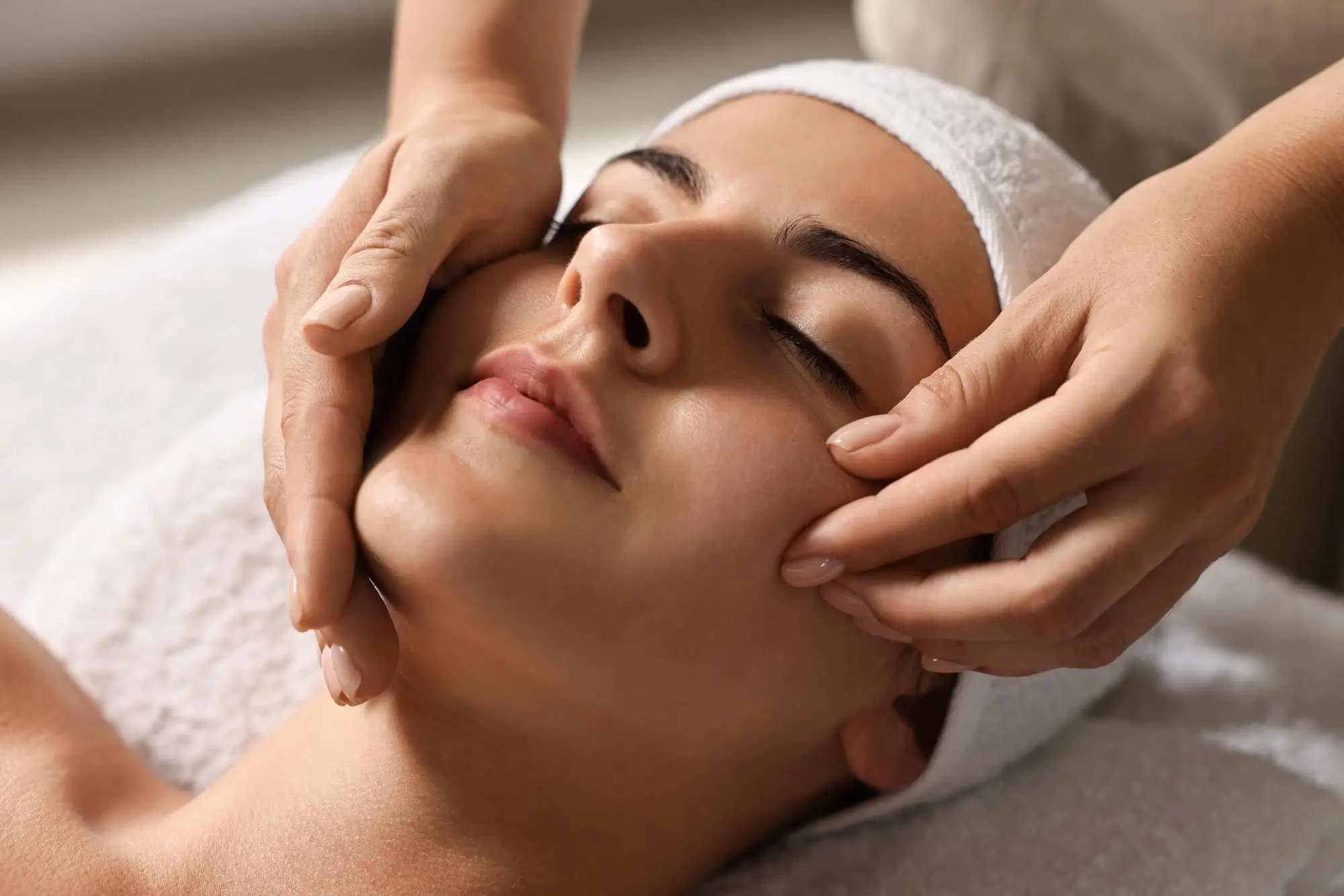
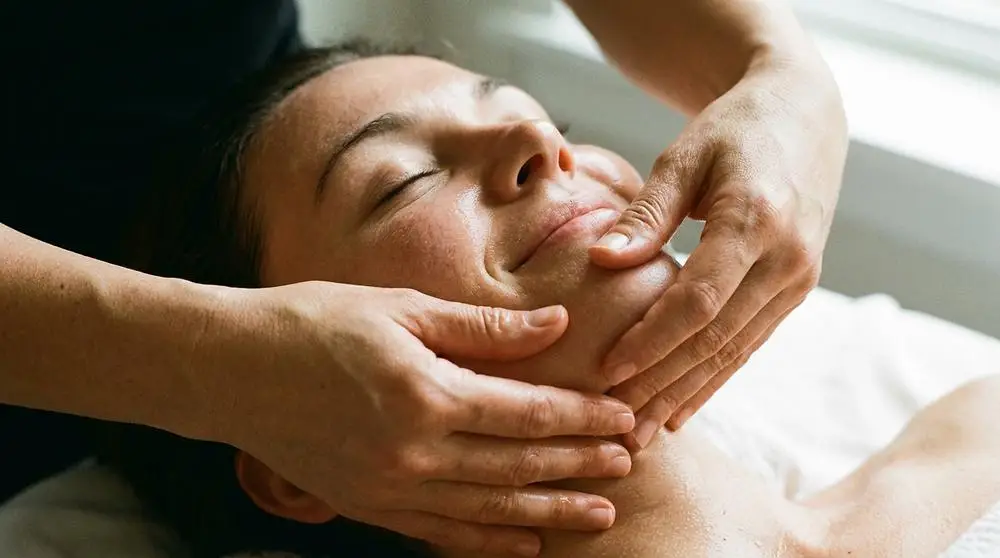
Kobido is more than a conventional facial massage. It uses a combination of techniques designed to work with the facial muscles, skin and surrounding tissues.
During a treatment, I use rhythmic percussion, kneading, deep stroking, gentle stretching and acupressure. The pace and pressure are adjusted according to the individual's needs and comfort.
These techniques may help:
- Relax areas of facial muscle tension.
- Ease the feeling of tightness around the jaw and forehead.
- Create a sense of relaxation and wellbeing.
- Temporarily reduce the appearance of facial puffiness.
- Leave the face looking refreshed.
Kobido is not a medical treatment for chronic stress, anxiety, bruxism or temporomandibular disorders (TMD). It can, however, be a relaxing addition to your self-care routine.
Kobido for Jaw Tension and Teeth Clenching
The jaw is one of the areas where stress-related tension can become particularly noticeable. Some people clench their teeth during the day, while others grind them at night. This is commonly known as bruxism.
Kobido includes massage techniques that work around the cheeks, jawline and other facial muscles. These movements may help relax the feeling of tightness in the treated areas.
However, facial massage does not address the underlying causes of bruxism or replace dental or medical care. If you experience persistent jaw pain, clicking, restricted movement or tooth damage, seek advice from a dentist or healthcare professional.
You can also read more about Kobido for TMJ dysfunction and Kobido for facial muscle hypertonicity.
What Happens During a Kobido Treatment?
A Kobido session combines several techniques rather than relying on one repetitive movement. The treatment may include:
- Gentle massage: Helps prepare the facial tissues and encourages relaxation.
- Kneading and deep stroking: Works with areas of muscle tension.
- Rhythmic percussion: A distinctive part of traditional Kobido, using fast, controlled movements.
- Acupressure and stretching: Applied to selected areas according to individual needs.
- Facial sculpting techniques: Designed to create a temporarily refreshed and more defined appearance.
The treatment also provides time away from everyday demands, allowing you to focus on relaxation and personal wellbeing.
How Often Should You Have Kobido for Stress and Facial Tension?
You may feel more relaxed after a single treatment, although the experience and results vary from person to person.
If you want to include Kobido in your regular facial care routine, I generally recommend starting with approximately four sessions, spaced around two weeks apart. Monthly maintenance treatments can then help you continue enjoying the experience.
The right frequency depends on your preferences, facial condition and treatment goals. Kobido should be considered part of a broader approach to managing everyday stress, rather than a replacement for other forms of support.
Book Kobido Massage in London
If you regularly notice tension around your jaw, forehead or cheeks, Kobido may be a treatment worth exploring.
With over 16 years of experience working alongside an Osteopathic and Sports Injury Clinic, followed by six years in medical aesthetic clinics, I bring my professional experience and understanding of facial anatomy to every treatment.
I offer authentic Japanese Kobido facial massage at two London locations:
- Central London: Central London Osteopathy & Sports Injury Clinic, 325-327 Old Street, London EC1V 9LE.
- Hammersmith: Dermadoc Clinic, 54 Shepherd's Bush Road, London W6 7PH.
Whether you live in Central London, Hammersmith or nearby areas such as Fulham, Shepherd's Bush, Holland Park, Notting Hill, Chiswick or Kensington, you can discover a personalised Kobido treatment in a professional clinic setting.
Explore Kobido massage in London and find out more about the treatment.