Can Facial Massage Reduce Jaw Pain?
Jaw pain can have a surprisingly big impact on daily life. Eating, speaking, yawning, and even smiling can become uncomfortable when the jaw muscles and joints are under strain. For many people, this discomfort is linked to TMJ dysfunction, a common condition that affects the temporomandibular joint and the surrounding muscles.
If you suffer from jaw tension, clicking, headaches, or facial discomfort, you may have wondered whether natural therapies can help. One treatment gaining attention is Kobido massage, a traditional Japanese facial massage that works deeply on the muscles of the face, jaw, and neck.
But can Kobido actually help with TMJ dysfunction? Let's explore how this ancient technique may support jaw health, reduce tension, and improve overall wellbeing.
What Is TMJ Dysfunction?
TMJ stands for temporomandibular joint, the joint that connects your lower jaw to your skull. You have one on each side of your face, just in front of your ears.
TMJ dysfunction, sometimes referred to as TMD, occurs when the joint or surrounding muscles are not functioning properly.
Common symptoms include:
- Jaw pain
- Clicking or popping sounds when opening the mouth
- Difficulty chewing
- Jaw stiffness
- Facial pain
- Headaches
- Neck tension
- Ear discomfort
- Limited jaw movement
- Muscle fatigue around the face
TMJ dysfunction affects people of all ages and is particularly common among individuals experiencing chronic stress.
What Causes TMJ Dysfunction?
Temporomandibular joint (TMJ) dysfunction is a multifactorial condition primarily caused by physical strain, joint displacement, stress, or underlying medical conditions that affect the jaw.
While a single, definitive cause cannot always be pinpointed, a combination of physical and psychological factors typically overworks the joint and its surrounding chewing muscles.
Overuse and Muscle Strain
- Teeth Grinding and Clenching: Known as bruxism, this habit places massive compressive force on the joint, wearing down the internal disc and fatiguing jaw muscles.
- Stress and Anxiety: Psychological stress frequently causes involuntary jaw tightening, leading to long-term muscle tension and joint strain.
- Parafunctional Habits: Repetitive actions like chewing gum, biting nails, or chewing on pens overload the joint.
Structural and Mechanical Issues
- Internal Disc Displacement: The small, shock-absorbing cartilage disc inside the joint can slip out of its normal position, causing pain, clicking, or locking.
- Bite Misalignment: An uneven bite (malocclusion) can cause the muscles to work harder to align the upper and lower teeth, placing unequal pressure on the jaw joints.
- Poor Posture: Slouching or holding your head forward (e.g., staring at a computer screen) strains neck and facial muscles connected to jaw function.
Trauma and Medical Conditions
- Physical Injuries: Direct trauma from sports injuries, car accidents, a fall, or a broken/dislocated jaw can permanently damage the joint.
- Arthritis: Inflammatory conditions like rheumatoid arthritis, psoriatic arthritis, or degenerative wear-and-tear from osteoarthritis directly damage the jaw cartilage.
- Prolonged Jaw Extension: Keeping the mouth open for long periods during major dental work or medical procedures (like intubation) can strain the joint ligaments.
- Systemic Comorbidities: Conditions that affect pain perception or connective tissuessuch as fibromyalgia, Ehlers-Danlos syndrome, or chronic fatigue syndromefrequently overlap with severe TMJ disorders
Can Kobido Help with TMJ Dysfunction?
Key Benefits of TMJ Facial Massage
- Releases Muscle Knots: Targeted pressure breaks up dense, ropey muscle fibers and trigger points caused by involuntary clenching.One of the primary benefits of Kobido is its ability to release tension in overactive muscles. The jaw contains powerful muscles that can become chronically tight due to stress, clenching, and grinding.
- These include:
- Masseter muscles
- Temporalis muscles
- Muscles around the cheeks
- Neck muscles
- Muscles around the temples
- Kobido uses targeted techniques to help relax these areas and reduce excessive muscle tension. Clients often describe a feeling of lightness and release around the jaw following treatment.
- Improves Joint Mobility: Relaxing the surrounding soft tissue stretches the jaw fascia, helping the joint glide smoothly without catching or locking.
- Flushes Out Toxins: Kneading the tissue stimulates lymphatic drainage, which carries away inflammatory waste products and minimizes localized swelling.
- Relieves Secondary Headaches: Massaging the muscles on the side of the head reduces tension headaches that frequently radiate from a misaligned bite

Kobido and Bruxism
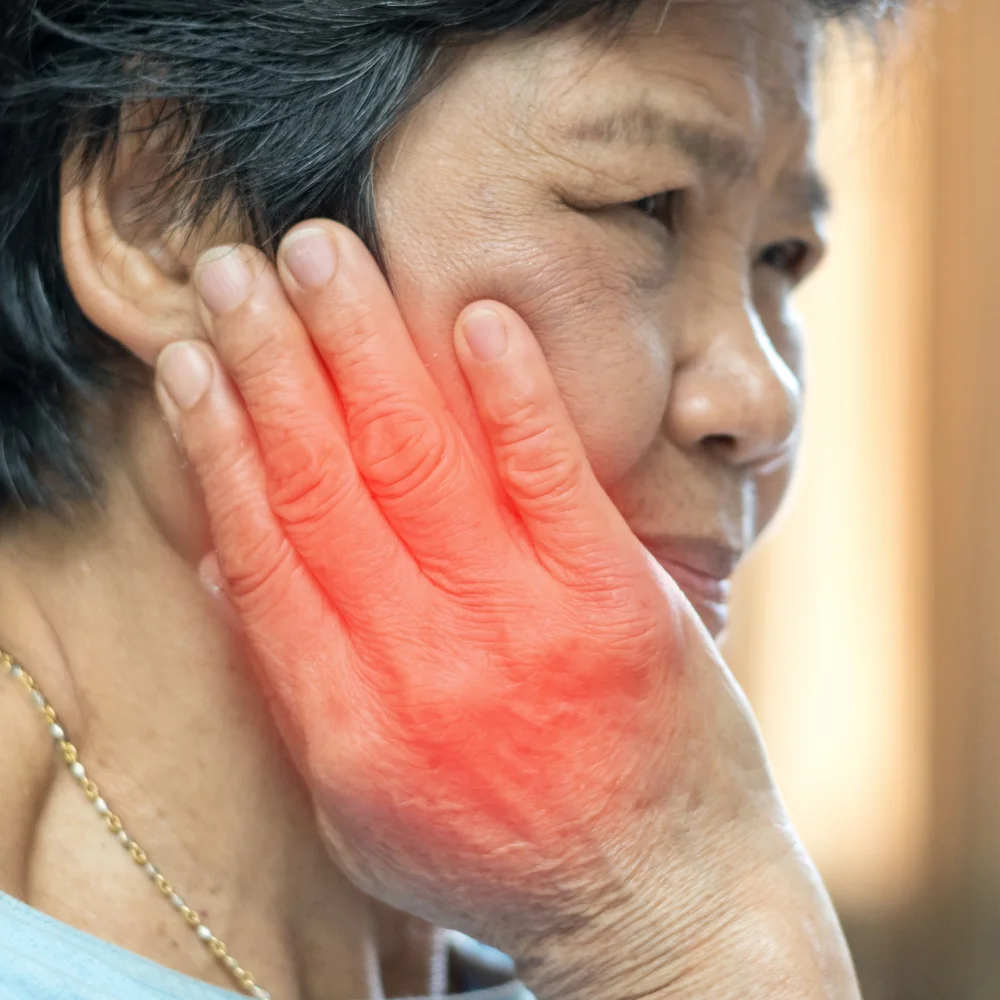
Bruxism and TMJ dysfunction often go hand in hand.
People who grind or clench their teeth frequently develop:
- Enlarged jaw muscles
- Facial tension
- Morning headaches
- Jaw fatigue
- Pain around the temples
Kobido can help by reducing tension in the muscles responsible for clenching.
Although it cannot stop teeth grinding entirely, regular treatments may help reduce discomfort associated with bruxism and improve overall muscle relaxation.
Reducing Tension Headaches
Many people with TMJ dysfunction also suffer from tension headaches.
When jaw muscles remain tight, the tension can spread to:
- Temples
- Forehead
- Neck
- Scalp
Kobido works across all of these areas, helping to release built-up tension and improve circulation.
Many clients report fewer headaches and a greater sense of relaxation after treatment.
Improving Circulation and Recovery
Chronically tight muscles can suffer from reduced blood flow.
Kobido stimulates circulation throughout the face and surrounding areas, helping to deliver oxygen and nutrients to the tissues.
Improved circulation may support:
- Muscle recovery
- Reduced stiffness
- Better tissue health
- Greater comfort
This is particularly valuable for clients experiencing ongoing muscle fatigue around the jaw.
Supporting the Nervous System
Stress often plays a major role in TMJ dysfunction.
When the body remains in a constant state of stress, muscles tend to stay contracted.
Kobido encourages deep relaxation by activating the body's natural relaxation response.
Benefits may include:
- Reduced stress levels
- Improved sleep quality
- Less muscle tension
- Better emotional wellbeing
Since stress and jaw tension are often closely linked, this aspect of treatment can be particularly beneficial.
Why TMJ Problems Are Common in London
Modern London lifestyles can place significant strain on the jaw and facial muscles.
Common contributing factors include:
- Long working hours
- High stress careers
- Daily commuting
- Screen fatigue
- Poor posture
- Busy lifestyles
- Sleep disruption
Many professionals unknowingly clench their jaw throughout the day, creating a cycle of tension that becomes difficult to break.
Kobido offers a natural and relaxing way to counteract these modern stress patterns.
What to Expect When You Book with Me
When clients visit me for Kobido massage in London, I take time to understand their concerns and tailor the treatment accordingly.
If jaw tension or TMJ discomfort is a key concern, I focus on:
- Releasing tight facial muscles
- Working around the jaw and temples
- Improving circulation
- Encouraging relaxation
- Supporting lymphatic drainage
Each session is personalised because every face and every tension pattern is unique.
Who Can Benefit from Kobido for TMJ Symptoms?
Kobido may be particularly helpful if you experience:
- Jaw tightness
- Teeth clenching
- Facial tension
- Stress-related discomfort
- Mild TMJ symptoms
- Tension headaches
- Neck stiffness
- Facial fatigue
Many clients find that regular sessions help them feel more comfortable, relaxed, and aware of tension patterns they had previously ignored.
Book a Kobido Massage in London for Jaw Tension and TMJ Relief
If you are struggling with jaw pain, facial tension, or symptoms related to TMJ dysfunction, Kobido may offer a natural way to support your wellbeing.
By helping relax overactive muscles, improve circulation, and reduce stress, Kobido can be a valuable addition to your self-care routine.
I offer personalised Kobido massage treatments in London designed to address facial tension, jaw discomfort, and overall wellness.
Book your Kobido massage today and discover how this traditional Japanese facial therapy can help reduce jaw tension, support TMJ health, and leave you feeling more relaxed and balanced.
Leave Your Comment